

Oily skin type
Oily skin is common and is characterized by high sebum production. The sebaceous glands produce up to twice as much sebum as in normal skin. This gives the skin a shiny surface, especially in the T-zone (forehead, nose and chin).
Oily skin is often influenced by genetic, hormonal and environmental factors, and can be more prone to skin conditions such as clogged pores, blackheads and acne.
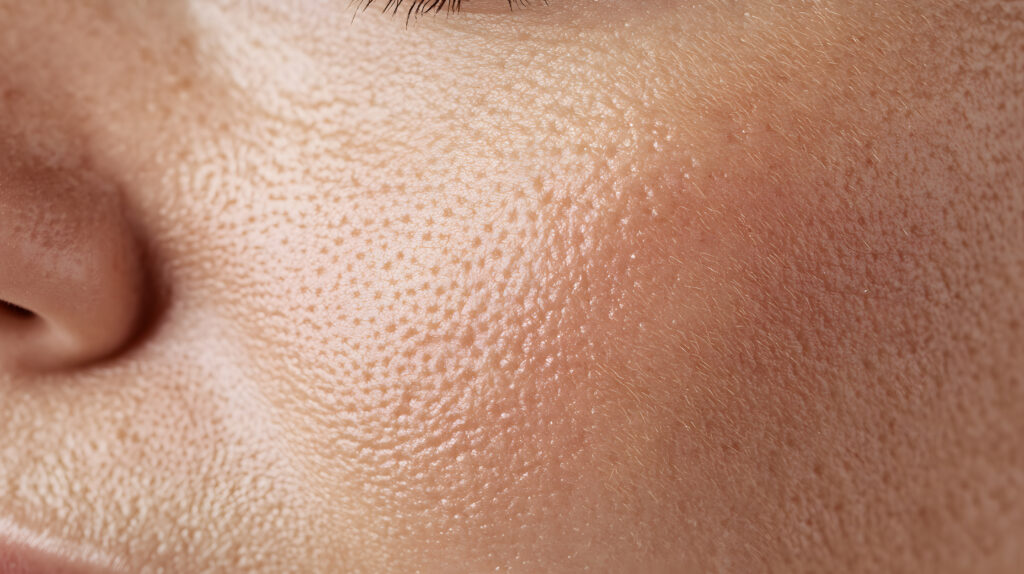
This characterizes an oily skin type.
- Enlarged pores. Pores are often visible in those with oily skin.
- The skin feels shiny throughout the day and has a lot of natural oils.
- Acne and blemishes. Excess sebum can block pores and create an environment for bacterial growth.
- The skin is more prone to acne than the other skin types.
- Excess sebum can create an environment that promotes both fungal growth (seborrheic dermatitis) and skin inflammation (rosacea).
Common causes of oily skin
- Genetics: Sebum production is partly determined by your genes.
- Hormones such as testosterone stimulate the sebaceous glands. Skin is generally oilier during puberty when androgen levels increase. Sebum production increases before menstruation , as hormonal changes activate the sebaceous glands.
- Climate: Hot climates with high humidity can cause oilier skin.
- Lifestyle: sleep, work, stress, diet and how you feel greatly affect whether you develop acne.
Some benefits of oily skin
It is important to remember that oily skin is not always a problem. Many people with oily skin will go through life without developing acne, rosacea, etc. As we age, sebum production naturally decreases and the skin will produce less and less sebum naturally.
Sebum production helps maintain the skin's moisture and elasticity, which means that people with oily skin often age more slowly and have fewer lines of dryness than those with dry skin types.
How to treat oily skin
CLEAN
- Cleanse your skin twice a day with a mild cleanser that won't damage the skin barrier and make the skin sensitive. Double cleanse your skin in the evening if you wear makeup or sunscreen.
- Use a cleanser with BHA salicylic acid, which effectively cleanses pores and combats clogged pores and acne. BHA makes the skin sensitive to the sun, so use a cleanser without acids during the day.
ACTIVE INGREDIENTS WE RECOMMEND
- Niacinamide (B3) reduces inflammation and sebum production.
- Bakuchiol may show similar results to retinol in studies. The advantage of bakuchiol is that it does not weaken the skin barrier or make the skin sensitive to the sun.
- Zinc Lactate is a combination of zinc and lactic acid that has antibacterial and moisturizing effects while helping to regulate sebum production and combat acne.
MOISTURIZER
- An oily skin type with a strong skin barrier has a lot of natural oils that protect the skin from moisture loss and will naturally need less oils and creams than dry skin. If the skin barrier is weakened, such as with acne, moisture will more easily disappear from the skin, making the skin tight and dehydrated.
- Choose a thin moisturizer with lots of moisture, little fat and active ingredients that can reduce sebum production, counteract scars, etc.
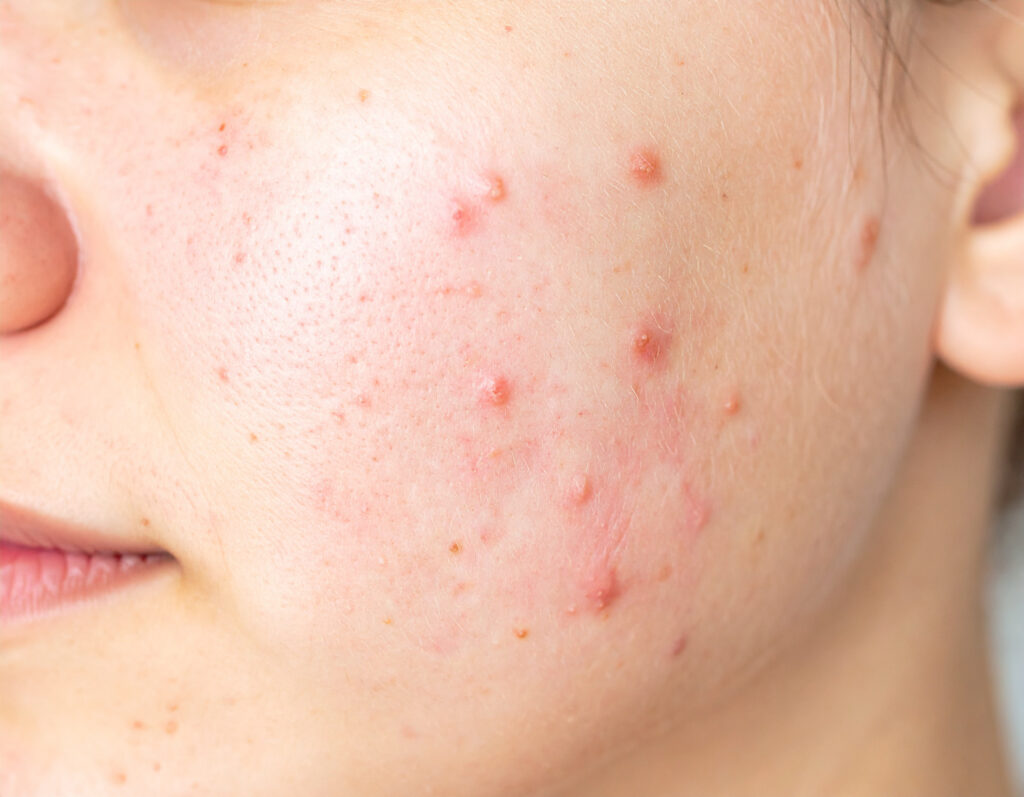
Lifestyle advice for those with oily skin and acne
When you have oily skin, you're more prone to clogged pores and acne. Here are our top lifestyle tips for caring for oily skin to avoid acne.
- The circadian rhythm affects hormones and much of the body's repair process occurs at night. Try to maintain a regular circadian rhythm where you get up at 7am and go to bed at 10pm every day. This will help to maintain a good hormonal balance and thus reduce acne.
- Diet: A diet rich in sugar and fast carbohydrates can increase sebum production by affecting the body's insulin levels.
- Dairy products: There are several studies that show that milk can increase acne in those with oily skin. We recommend reducing cold dairy products such as yogurt and milk to a minimum if you have acne problems.
- Exercise: Go for walks in nature, be active and remember to cleanse your skin after strenuous physical activity.
- Stress management: Reduce stress by taking walks in nature, avoiding alcohol, caffeine and nicotine. By eating clean and easily digestible home-cooked hot food made from good ingredients, you expose your body to less stress.