


Acne
Acne is unfortunately a common skin condition. For some, the symptoms often start during puberty, but for others, acne occurs in adulthood. Acne is caused by increased sebum production due to hormones or other factors. There are wide variations in the severity of acne, ranging from a few pimples to deep cysts, or painful acne that lies beneath the skin.
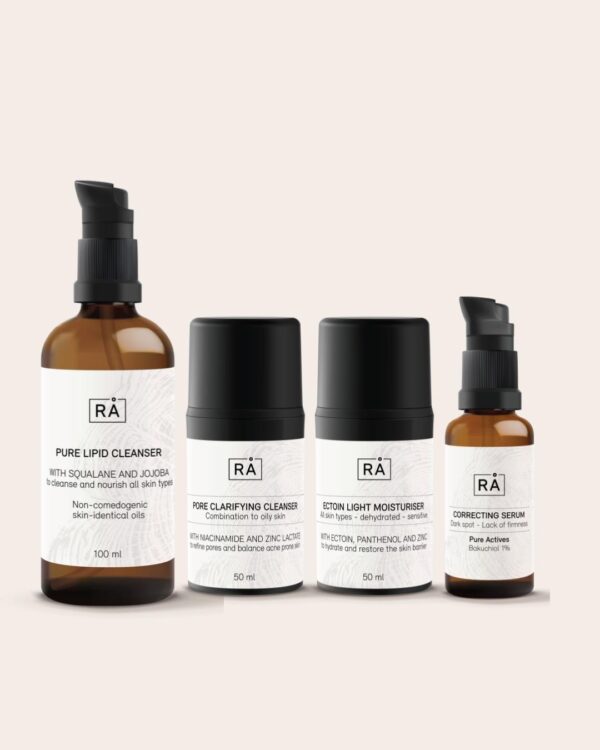
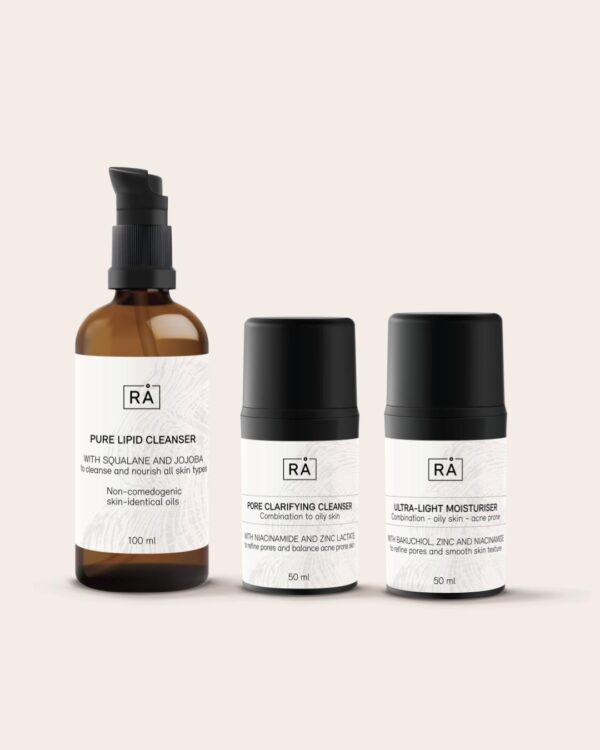
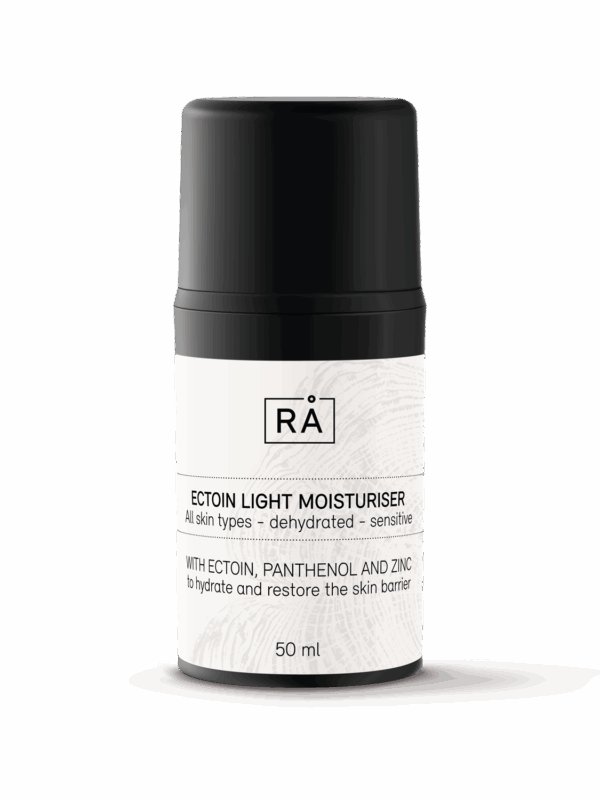
We help you find the right products for your skin! Explore our selection of professional skincare products for home use.
Results on acne-prone skin


Hormonal influence on the skin
- Menstruation: The skin's sebum production fluctuates throughout a woman's cycle and for those with oily skin and acne problems this is often problematic as they experience increased sebum production before menstruation and often experience a flare-up of acne during this phase of the cycle.
- Androgens: are a group of hormones, including testosterone, that play an important role in regulating sebum production in the skin. These hormones stimulate the sebaceous glands to produce more sebum. When androgen levels increase – for example during puberty – sebum production often increases. This can cause pores to become more easily clogged, which in turn increases the risk of acne.
Diet's impact on the skin
- Fast Carbohydrates: A diet high in sugar, white flour, and other fast carbohydrates can increase both insulin and insulin-like growth factor in the body. This stimulates the sebaceous glands to produce more sebum, which can contribute to clogged pores and the development of acne. In addition, such foods can increase inflammation in the body, which in turn can worsen the condition of the skin and make breakouts more pronounced.
- Dairy products: Several studies show a link between dairy products and increased acne in people with oily skin or acne problems. However, the link is not clear, and more research is needed to understand the exact mechanism.
- Skin-Supporting Foods: A diet based on clean produce, vegetables, and herbs can help reduce inflammation and stabilize blood sugar levels. This in turn can support a healthier skin barrier and reduce the risk of acne breakouts and other inflammatory conditions in the body.