

Atopic eczema – what is it and what can help?
Atopic eczema (atopic dermatitis) is one of the most common skin diseases in Norway. The condition affects both children and adults and is characterized by dry, sensitive skin with periods where the skin becomes red, itchy and may crack.
Although atopic eczema cannot be cured, good skin care routines can help strengthen the skin barrier, reduce dryness, and make the skin more resilient between outbreaks so that you have fewer outbreaks and they go away faster.
What is atopic eczema?
Atopic eczema is a chronic inflammatory condition of the skin. People with atopic eczema often have a skin barrier that does not function optimally. This makes the skin lose moisture more easily and is more susceptible to irritation from, among other things, soap, cold, water and various chemicals.
The condition varies from person to person. Some people only have mild periods of dry skin, while others experience more severe outbreaks with intense itching and sore skin.
Common symptoms
Symptoms can vary, but the most common are:
- Dry and tight skin
- Intense itching
- Redness
- Flaking
- Cracks in the skin
- Sore skin after scratching
- Recurrent eczema outbreaks
What can trigger or worsen atopic eczema?
By knowing their own triggers, many people can reduce the frequency of outbreaks. Many people find that eczema is made worse by:
- Frequent hand washing
- Dry indoor air
- Cold weather
- Hot showers
- Stress
- Perfumed skin care products
- Wool directly against the skin
- Foods like chili, tomato, orange, sour fruits
- In addition, sugar, artificial sugar and wheat flour can trigger inflammation and thus make eczema worse.
Measures that can help with atopic eczema
Although medical treatment may be necessary for severe outbreaks, good skin care is an important part of daily treatment. Skin prone to eczema is recommended to be lubricated 2-5 times a day depending on the severity of the eczema and how weakened the skin barrier is.
- Use fragrance-free products for your face, body and hair. Remember that even natural fragrances such as essential oils contain allergens that can trigger eczema.
- Use perfume-free laundry detergent for clothes and drop in fabric softener. We recommend natural.
- Always wash new clothes before use.
- Wool and other materials that are rough or textured can trigger sore skin. Choose smooth cotton, bamboo, and silk fabrics.
- Keep the bedroom cool and dust-free. Pets and dust can trigger eczema when the skin barrier is weakened. If you have pets, they should not be in the bedroom. If someone in the family has eczema, choose a dog that does not shed. These trigger fewer eczema outbreaks than animals that shed.
- Sun and salt water are beneficial for eczema. Add sea salt to your bath water (buy at a grocery store or health food store). Spend a lot of time outside and enjoy the good effects of the sun. I do not recommend baking in direct sunlight, but rather enjoying the shade and going for walks in the forest when the sun is at its strongest.
1. Use a mild soap on hands and apply soap to body
Regular hand soap can be drying because it removes the skin's natural oils. A gentle, perfume-free wash is therefore important. Choose a soap that is creamy and does not foam much. We recommend using as little soap as possible on your body.
Favn Creamy Hand & Body Wash is designed for dry and sensitive skin and is used by many with eczema – both at home and in daycare centers. It cleanses the skin without being unnecessarily drying and is well suited for hand washing for sore and eczema-prone hands.
2. Lubricate the skin with oil before showering
Apply oil to your skin before showering to prevent your skin from becoming sore, red and dry from the water. Do not use too hot water and use perfume-free hair products. Foam that runs down your back can cause redness and irritation on the skin. Favn massage and body oil and pure lipid cleanser are fine oils that reduce moisture loss from the skin. Apply a layer of oil to your skin before showering and bathing.
3. Salt baths and seawater are beneficial for eczema
If you are lucky enough to live near the sea, you can fetch water or make sure to bathe a lot during the summer. A 10-minute salt bath 1-2 times a day is recommended for eczema outbreaks. Use about 100 grams of salt per 10 liters of water. Rinse the skin after bathing and apply moisturizer.
4. Lubricate the skin often at first, before tapering off a bit
After washing, the skin should be lubricated while it is still slightly damp. A good moisturizer adds both moisture and lipids that help support the skin barrier. For most people with atopic eczema, we recommend Favn Extra Nourishing Cream . The cream is rich in ceramides and lipids that strengthen the skin barrier. We recommend lubricating eczema-prone areas frequently, preferably 2-5 times a day until the skin is eczema-free and 2 times a day for maintenance.
The cream contains, among other things:
- Ceramides that help strengthen the skin barrier
- Squalane softens the skin
- Hyaluronic acid that binds moisture
It is suitable for both face and body and is particularly suitable when the skin feels very dry or tight.
3. Protect the skin from moisture loss
Even after applying moisturizer, your skin can lose a lot of moisture throughout the day. When the skin barrier is weakened, it has cracks that allow moisture to quickly escape from your skin after you apply moisturizer.
An oil or rich balm can help reduce evaporation and protect the skin barrier. SOS Ceramide Balm can be used on extra dry areas a few times a week or daily as needed.
It is particularly suitable for:
- dry cheeks
- around the mouth
- hands
- other areas that crack easily
Eczema on the hands
Hand eczema is very common in people with atopic dermatitis. Frequent hand washing, alcohol-based hand sanitizers, and contact with cleaning products make the skin more likely to dry out and crack.
A good routine could be:
- Wash your hands with a mild soap like Favn Creamy Hand & Body Wash.
- Pat your hands dry – avoid rubbing.
- Apply Favn Extra Nourishing Cream after every hand wash.
- Wear cotton gloves under rubber gloves when working wet, if practical.
Many families choose to keep a bottle at home and at daycare so that the child can use the same mild soap in several places.
Eczema on the face
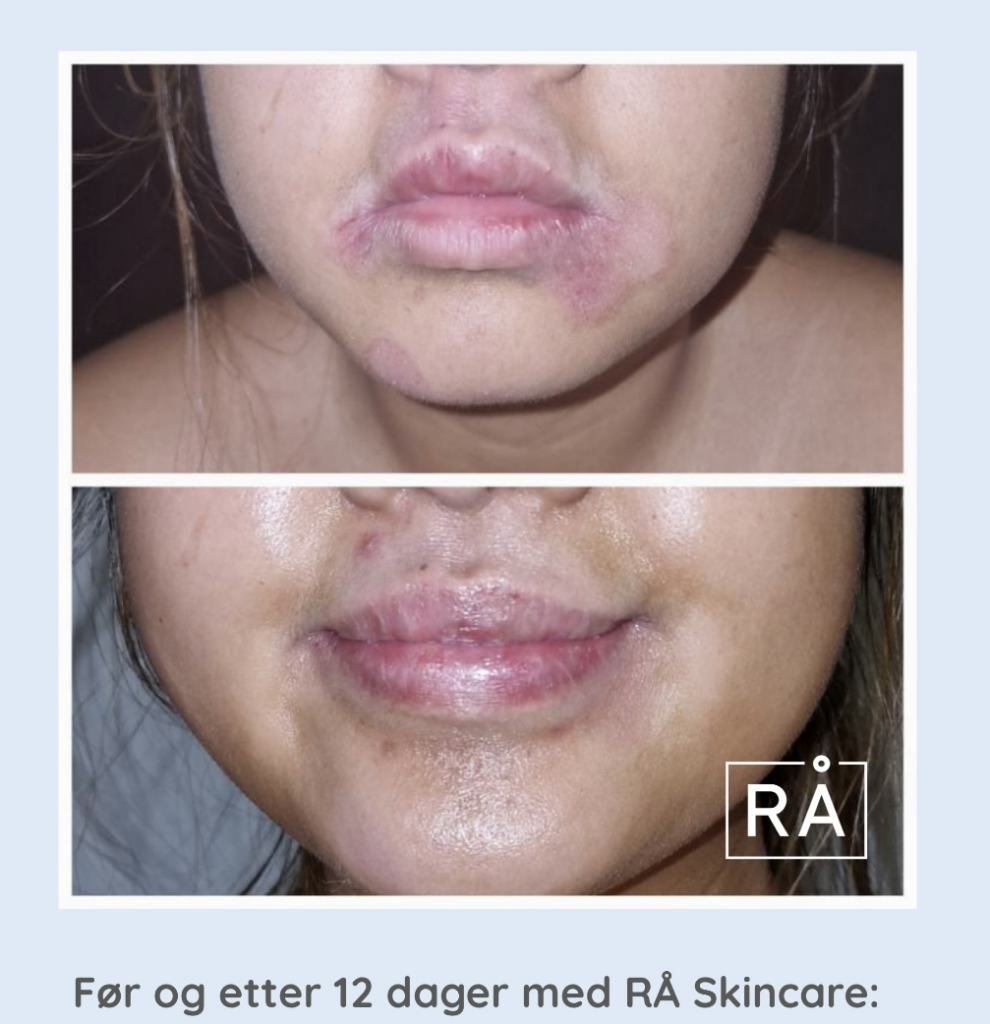
Facial skin is thinner than the skin on the rest of the body and can be particularly irritated by strong cleansing products.
For facial eczema, a lipid-based cleanser can be a good option.
Pure Lipid Cleanser contains 100% pure lipids and can be used both as:
- gentle cleansing
- facial oil for extra care on dry areas
A good tip is to apply a thin layer to your skin before showering. This can protect the skin barrier from hot water and make your skin feel less dry and irritated.
Which cream is best?
Dry skin and atopic eczema?
For most people, Favn Extra Nourishing Cream will be the first choice for both face and body because it combines moisture and lipids that support the skin barrier.
Do you have both atopic eczema and impure skin?
If your skin is also oily or acne-prone, Ectoin Light Moisturiser may be a lighter option. It adds moisture without feeling heavy on the skin. This is a cream that often works well into the teenage years for those with atopic eczema.
For extra dry areas , SOS Ceramide Balm can be used as a protective layer over moisturizer.
Frequently asked questions:
Why do skin creams sting when I have eczema?
Many creams can sting on eczema-prone skin because the skin barrier is weakened. RÅ Skincare's creams are developed for sensitive skin and contain mild, perfume-free ingredients that support the skin barrier. One of the reasons why we have chosen to make products with less preservatives (shorter shelf life) is exactly this. Precisely so that the products do not sting and are as gentle on the skin as possible. That is why many people find that they can use them without the stinging sensation they have had with other skin creams.
When should I contact a doctor/dermatologist?
Contact a doctor if:
- the eczema becomes painful
- the skin is oozing or showing signs of infection
- Over-the-counter measures don't help
- the itching affects sleep or quality of life
The doctor can assess whether prescription creams or other treatment is needed in addition to skin care products.
How often should I lubricate skin with eczema?
Skin prone to eczema is recommended to be applied 2-5 times a day depending on how severe the eczema is and how weakened the skin barrier is. Start by applying at least 4 times a day and reduce when the skin is less dry. Often, it is enough to apply 2 times a day and after a shower/bath when the skin barrier is stronger and the skin does not feel so dry.
Are ceramides good for eczema?
Yes, ceramides can be a useful part of your eczema skincare routine. Ceramides are fatty substances that are naturally found in the outermost layer of the skin and play an important role in keeping the skin barrier strong and resilient.
In eczema, the skin often contains less ceramides than normal. This can lead to increased moisture loss and make the skin more susceptible to irritation. A skin cream with ceramides can help strengthen the skin barrier, reduce moisture loss and make the skin more comfortable.